To Comfort the Bereaved, Give Hugs–But Ask First!

Offer hugs, but ASK before embracing.

In the first year after my husband died, sometimes I needed — but sometimes I couldn’t stand — hugs. The one person I most wanted to hug me was no longer around — and never would be again. I didn’t want “substitutes.”

There were times our daughters didn’t “feel like” hugs, either, and although my arms ached to offer them a mother’s comforting embrace, I learned they each needed to grieve their father on their own terms and in their own ways.

Most days, though, I accepted and found strength in other women’s hugs, especially from widows. (Their silent squeezes conveyed I understand better than words.) I found solace in my male relatives’ hugs, too. We’ve always been a “huggy” family on both sides, so sharing their (often wordless, occasionally bear-like) embraces felt familiar and comforting.

However, I did not, repeat, did not enjoy hugs from male friends and acquaintances, not even a little bit in the first year … or two. Maybe I was overly sensitive. Maybe not. For me, when I made my marriage vows 24 years earlier, I took the “forsake all others” portion to heart, hands, and arms. My husband was the man I hugged — the only man I hugged — other than kin (and a very few close-as-kin-to-us-both friends), because that was what I chose. That was one way I honored him — and our vows.

I wasn’t in the habit of hugging other men when my husband stepped from the room or went away on a trip. Why, after death took him “away,” would I suddenly do so? I still felt the same connection and commitment to him — and to our vows. To me, hugging other men after he died felt as “wrong”  as it would have felt while he lived.

However, for many widowed friends, hugs from friends of the opposite sex helped! Such hugs made them feel better connected to their late spouses. The hugs that disconcerted me brought them a semblance of peace.

These days, three years into widowhood, I’m no longer raw with the shock and newness of my loss. I willingly accept and return (almost all) embraces.

I even initiate hugs — but I ask first, unless I’m offering virtual (((hugs))) like these.

(((Hugs))) to you for reaching out to your grieving friends, coworkers, and family members.

Typhoons, Tornadoes, and Other Disasters Wreak Havoc on Individuals

Typhoons. Tornadoes. Terrorism. Turmoil. Large-scale disasters all, impacting dozens, hundreds, thousands of souls.

Life-shattering, publicly viewed, world-watched tragedies, displaying agonies of individuals: children, wives, husbands, parents, siblings, relatives, friends.

Fragmented sentences, fragmented lives.

I admit, I seldom watch the news. Not anymore. Not since my husband’s death.

It’s not that I don’t want to be informed. I do. But I’m now expertly informed in the one area the glowing rectangle cannot convey, no matter how eloquent its writers, nor inspired its photographers, nor supernal its composers, nor gifted its news gatherers and broadcasters may be:

I know how grief feels.

And when I see the shocked, huddled faces of survivors’ physical pain and discomfort …

And when I see the decimated rubble  of one-time homes, hospitals, and houses of worship…

And when I see the eyes of those whose loved ones are no more…

…I see their grief, their public grief,
and I feel a degree of it.
I remember the excruciating feel of
my own, private anguish.

Large-scale grief-events require large-scale generosity and cooperation (to rebuild community infrastructure and provide day-to-day resources for residents to live on). They also require one-on-one generosity and compassion (to refashion–not rebuild–individual survivors’ lives).

Please, as much as you are able, help.

Image from the Children's Grief Awareness Day Facebook page (https://www.facebook.com/photo.php?fbid=346620602055569&set=a.121173784600253.18290.121173094600322&type=1&theater)

Blue butterfly image from the Children’s Grief Awareness Day Facebook page

Donate time, money, or expertise. Give a little or give a lot, but please also give from your heart. Though emergencies have an impact on everyone, with Children’s Grief Awareness Day coming this week, please consider the affected children’s needs, too. Already grieving children (and parents) not directly touched by today’s tragedies will nevertheless feel for–and with–those who are.

A Rude Awakening by Dog and Grief

This week I had a rude awakening– a literal rude awakening — because of  widowhood’s impact on one area of my life.

The dog whined — loudly — at 4:10 a.m. (I’d finally slipped into sleep after 12:30.) I wasn’t thrilled.

I told her it wasn’t time to get up. “Go back to bed,” I grumbled. Unfortunately, she ignored the cushy doggy bed beside mine.

My doggy woke me at 4:10 a.m., but she had a good reason.

My doggy woke me at 4:10 a.m., but she had a good reason.

I screamed when 50 pounds of unwashed mutt landed on the bed above my pillow — startling her back onto the ground and me into no-more-sleep mode.

“Maybe she really, really needs to go out,” I thought. On the way to the back door she wove between my legs — more like a cat than a dog — nearly tripping me several times.

Halfway there she blocked me from going farther. (Again, I was not thrilled.) Within seconds, the smoke alarm directly over my head chirped its shrill low battery alert, sending her into more frenzied circles around my legs.

“O-oh. That’s why you got me up. Okay, girl. I get it now.”

I let her outside to do what she needed to do, climbed a chair, and pulled down the chirping device and its housemates. Then I retrieved the batteries I’d  purchased a couple of months earlier just for these alarms.

A few minutes later the dog was back inside and the smoke alarms all had fresh batteries.

(Stay with me. There really is a point to how this relates to grief, grieving, and recovery!)

My literal “rude awakening” happened at 4:10 a.m., but the greater, figurative “rude awakening” followed as I reflected on what brought me to the top of the chair in the wee hours. In one sense I “lost” my husband twice — first to the mental illness that took his mind and then to the … whatever-it-was … that took his life.

Before he became ill, I taught emergency preparedness seminars  (emphasizing  hurricane readiness) at civic and private functions throughout our area. The woman who always, always, always urged participants to change their smoke alarm batteries when they changed their clocks for Daylight Savings Time forgot. (*See below.)

That I remembered to buy 9-volt batteries shows I’m “moving forward” again.

That I forgot to install them (after preaching preparedness for years!) shows how slow the grief recovery process can be.

That my dog reminded me of the task shows she is priceless, no matter how annoying at that hour.

(*Use and replace the foods and medicines in your emergency kit twice a year, too.)

Remember Your Own Pain

These flowers may not look like much, but they meant the world to me when a neighbor who'd just heard "the news" brought them from her house. Her kind gesture was incredibly helpful.

These flowers may not look like much, but they meant the world to me when a neighbor who’d just heard “the news” brought them from her house. Her kind gesture was incredibly helpful.

Grief isn’t limited to the death of a loved one, nor is its impact felt the same at each stage of our lives. If you’re old enough to read this, you’re old enough to have experienced your own loss(es) by now. Remember how you felt as you reach out to console your friends who have lost loved ones. Even if you can’t understand the depth of their pain, you can empathize by silently recalling your own — while never verbally comparing your grief to theirs).

Here are a few levels or degrees of personal grief that continue to temper my understanding as I interact with those I know:

As a kindergartner, my grief over the moving-day mishap of losing my toy kitchen felt devastating — for a while.

As an older child and teenager, my grief over the loss of each beloved pet (whether goldfish or guinea pig or dog) was devastating — for quite a while.

As a young woman in high school and college, my grief over each broken heart felt like the end of my world — for the foreseeable future.

As a young mother (not yet in my thirties), my grief over the loss of Mom was life-altering — forever. I was motherless while anticipating the renewal of my own motherhood, with our third child due in three more months. This baby would not know my wonderful mom! I leaned heavily on my husband’s strength and support at the time.

One crying-on-his-shoulder conversation stands out. He didn’t urge me to stop crying, nor did he tell me everything would be okay. He cried with me, sharing his love and grief, too. Even after Mom’s initial breast cancer diagnosis three years earlier, and even after it metastasized to her brain and spinal column, he’d assumed his much older parents would “go” before either of mine. As I thanked him for holding and hearing me, he hugged me tighter and asked that I do the same for him when the time came.

His death at 47 left me unable to reciprocate.

As a young widow (not yet midway through my forties), my grief over my husband’s death was life-shattering. It was unlike any previous experiences.

As you draw upon your own painful experiences, let them remind you of what helped — and what did not help — in similar circumstances. You may find the best help of all is to quietly “be there” beside your friend.

___

Note: For more on widowhood’s devastation, see If You Really Want to Know What Widowhood Means where I share the anonymous “Letter to a Friend” mentioned on my Helpful Grief Resources page.

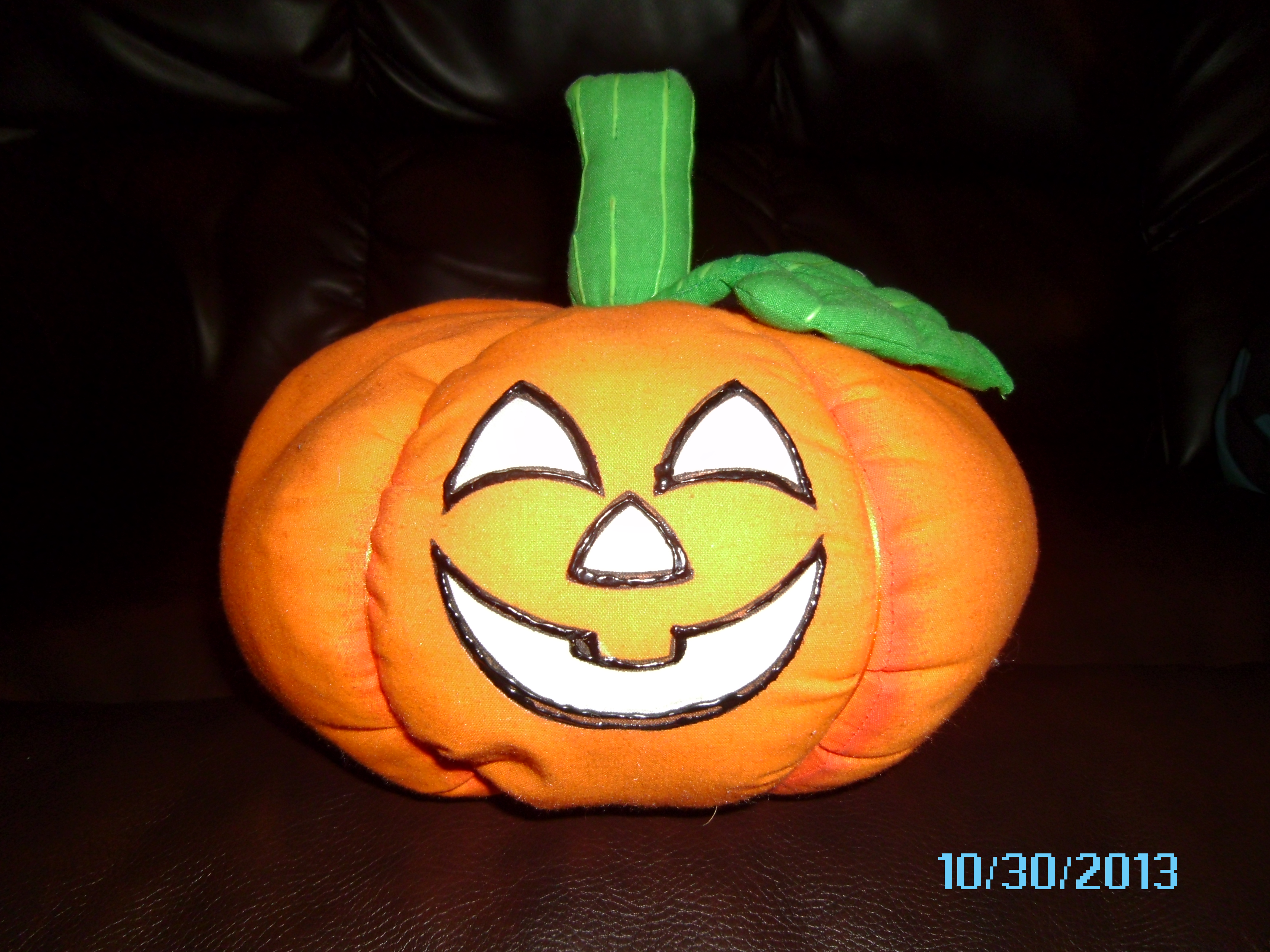
Beware of “Happy Halloween” and Other Hazardous Good Wishes

I could scarcely hear the words “happy Halloween,” let alone say them a month after my husband’s death. It felt as if plastic front yard gravestones mocked my recent cemetery experiences. Fake coffin lids lifted by glow-in-the-dark skeletal hands called to mind the most heart-wrenching purchases I’d ever made. And with death on my mind as it uprooted my life, I couldn’t muster even an artistic appreciation for well-applied “rotting corpse” or zombie makeups.

These gruesome decorations weren’t to blame for my aversion to the cheery greeting (though they certainly didn’t help).

Take your grieving friends some favorite candy (or a healthier treat) to show you're thinking of them, but consider skipping the "Happy Halloween" greeting.

Take your grieving friends some favorite candy (or a healthier treat) to show you’re thinking of them, but consider skipping the “happy Halloween” greeting.

How could it be a “happy Halloween” without my husband? He’d doted on our kids’ annual costuming, and we’d worn more-or-less matching tacky jack-o-lantern shirts most of our 24 years together.

Facing that first quasi-holiday after he died forced me to realize our annual  family traditions would never be the same. In that first year, I wondered whether any such celebrations could ever be “happy” again.

I braced myself against each turn of the calendar. We muddled our way through that first year, altering some traditions, discarding others, and auditioning new activities for tradition-worthiness. Some were outright flops. Others became instant new favorites.

Month by month, my daughters and I found new joys to anticipate.

Along the way to finding those new joys, during that difficult year of “firsts” I appreciated the thoughtful good wishes which acknowledged awareness of our changed circumstances.

Some helpful salutations included:

  • “May you be blessed this Thanksgiving. We’re thinking of you.”
  • “We hope your Christmas will be filled with fond memories.”
  • “May the New Year bring you hope and healing.”
  • “I’m guessing this will be a tough Valentine’s Day. Hang in there.”
  • “Thinking of you with love this Easter season.”
  • “I know you’ll miss your husband this Father’s Day.”
  • “Treat yourself with kindness on your birthday.”
  • “I’ll be thinking of you on your 25th anniversary” (my first as a widow).

As I worked through the raw pain of that first year’s grief and headed into the next, I became better able to handle more trite salutations like “Merry Christmas” and “Happy New Year.”

(I’m still not fond of “happy Halloween,” though, no matter how cute the trick or treaters.)