Beware of “Happy Halloween” and Other Hazardous Good Wishes

I could scarcely hear the words “happy Halloween,” let alone say them a month after my husband’s death. It felt as if plastic front yard gravestones mocked my recent cemetery experiences. Fake coffin lids lifted by glow-in-the-dark skeletal hands called to mind the most heart-wrenching purchases I’d ever made. And with death on my mind as it uprooted my life, I couldn’t muster even an artistic appreciation for well-applied “rotting corpse” or zombie makeups.

These gruesome decorations weren’t to blame for my aversion to the cheery greeting (though they certainly didn’t help).
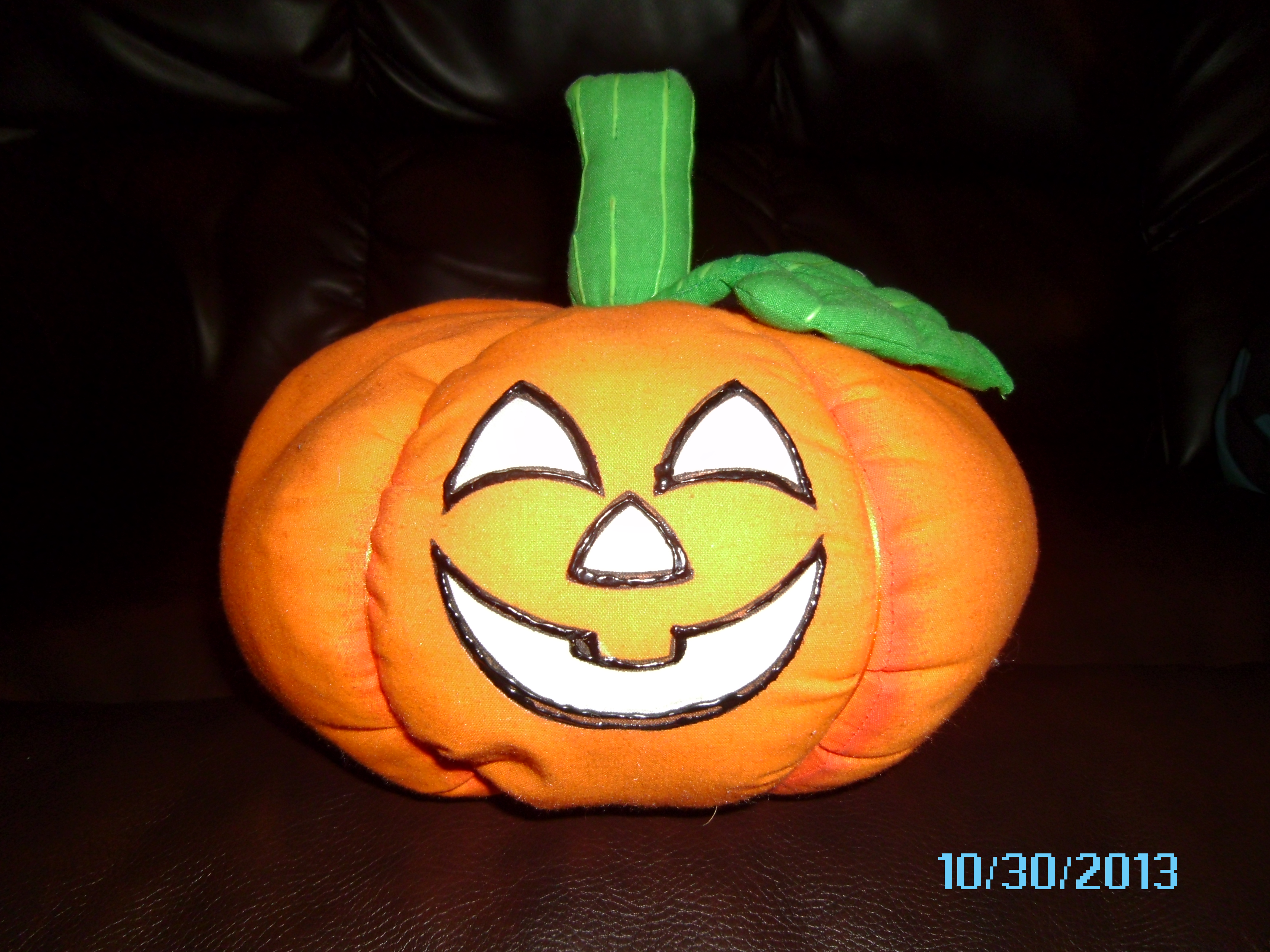
Take your grieving friends some favorite candy (or a healthier treat) to show you're thinking of them, but consider skipping the "Happy Halloween" greeting.

Take your grieving friends some favorite candy (or a healthier treat) to show you’re thinking of them, but consider skipping the “happy Halloween” greeting.

How could it be a “happy Halloween” without my husband? He’d doted on our kids’ annual costuming, and we’d worn more-or-less matching tacky jack-o-lantern shirts most of our 24 years together.

Facing that first quasi-holiday after he died forced me to realize our annual  family traditions would never be the same. In that first year, I wondered whether any such celebrations could ever be “happy” again.

I braced myself against each turn of the calendar. We muddled our way through that first year, altering some traditions, discarding others, and auditioning new activities for tradition-worthiness. Some were outright flops. Others became instant new favorites.

Month by month, my daughters and I found new joys to anticipate.

Along the way to finding those new joys, during that difficult year of “firsts” I appreciated the thoughtful good wishes which acknowledged awareness of our changed circumstances.

Some helpful salutations included:

  • “May you be blessed this Thanksgiving. We’re thinking of you.”
  • “We hope your Christmas will be filled with fond memories.”
  • “May the New Year bring you hope and healing.”
  • “I’m guessing this will be a tough Valentine’s Day. Hang in there.”
  • “Thinking of you with love this Easter season.”
  • “I know you’ll miss your husband this Father’s Day.”
  • “Treat yourself with kindness on your birthday.”
  • “I’ll be thinking of you on your 25th anniversary” (my first as a widow).

As I worked through the raw pain of that first year’s grief and headed into the next, I became better able to handle more trite salutations like “Merry Christmas” and “Happy New Year.”

(I’m still not fond of “happy Halloween,” though, no matter how cute the trick or treaters.)

Do NOT Tell the Bereaved “Life Goes On.”

Never tell a newly grieving person that “life goes on.”  Don’t.

The first time I heard that after my husband’s death, my breath whooshed away like when a fifth-grade bully punched me in the stomach. If my lungs hadn’t been empty I’d have screamed, “That’s not true!”

It wasn’t — not for my husband. His life did NOT go on.

It wasn’t true for our family, either. Death ended the life we had together. His/Our/My life did NOT “go on” physically, emotionally, financially, legally, socially. It screeched down a slope, plunged over a cliff, and shattered into flying shards.

“Life goes on?” Straightforward, everyday chores nearly undid me! When I entered the grocery store as a new widow, Halloween decorations mocked from everywhere. My heart pounded faster than my thoughts raced. “How can there still be holidays? How can people put up decorations? How dare they depict death and decay and graveyards as fun?”

I took as much offense at the onslaught of every season throughout that year of “first” annual events. Each birthday, anniversary, and holiday that “went on” without my husband scratched nails across the now excruciating chalkboard of occasions by which we had once marked our shared passage through each calendar page.

That life could “go on” normally — for everyone else — seemed cruel.

During those first shocked, raw months, I felt bruised and fettered by day-to-day evidence that — for others — “life went on” around me.

Gradually, as I worked through the motions of “going on,” I felt a brief loosening of those fetters. Sometimes they tightened again, protesting my returns toward living my own life as I faced “new firsts” without him. When I opened my first “Congratulations! Your story has been selected …” notice, I squealed and waved my arms and shouted (just a bit excited, you understand!) and then — and then I wanted to tell my husband … and my mom.

Ouch, again.

But each time I stepped forward, those fetters stretched a little more, and with each new “first” I found their restrictions looser, briefer. Eventually they began resembling bracelets more than manacles, accessories to my life story more than markings of “The End.”

I’ve learned that life does, indeed, go on, that it can be beautiful again. I, however, like every other grieving soul, had to discover it for myself — when I was ready.